

Trauma Can Remain Present After the Event Has Passed
You may notice:
- Intrusive memories or disrupted sleep.
- Avoidance, numbness or shame.
- Strong body reactions or feeling on guard.
- Difficulty feeling safe even after danger has passed.
These responses may follow a single event, repeated experiences or harm within relationships. EMDR Therapy in Dartmouth considers how the past affects you now. Trauma Therapy in Dartmouth may begin with grounding and stabilizing resources rather than revisiting a memory.
How EMDR Therapy in Dartmouth Is Approached at Your Pace
EMDR follows a structured process, but the pace and focus are decided collaboratively. You remain awake, aware and able to pause at any point.
History and Planning
Discuss current concerns, relevant history, goals and whether EMDR may be suitable.
Preparation
Build grounding and coping resources before any memory processing begins.
Targeted Processing
Identify a specific target and, where appropriate, use guided bilateral stimulation while checking changes in distress.
Closing and Review
End with grounding, review what arose and discuss support between sessions.
Trauma Therapy in Dartmouth is broader than one technique; readiness, trust and the therapeutic relationship continue to shape the plan.
Preparation Comes Before Memory Processing
The first appointment does not usually begin with intense processing. EMDR Therapy in Dartmouth generally starts with practitioner fit, relevant history, goals and readiness. A Therapist can answer questions about:
- EMDR training and experience.
- How pacing and pauses are handled.
- Whether virtual sessions may be suitable.
Trauma Therapy in Dartmouth should also include consent, coping resources and a plan for managing anything that arises between sessions. Processing begins only when you and the practitioner agree it is appropriate.
Ask About Readiness, Format and Practitioner Training
Counselling sessions are currently listed at:
- 30-minute counselling session: $85
- 50-minute counselling session: $160
During a free 15-minute consultation, ask about practitioner fit, EMDR training, in-person or eligible virtual options, and whether this approach may be appropriate to explore. The clinician can also explain which session length may suit the planned work before you book.
Find a practitioner who feels like the right fit.
Training, experience, availability, session format and personal comfort can all shape practitioner fit.

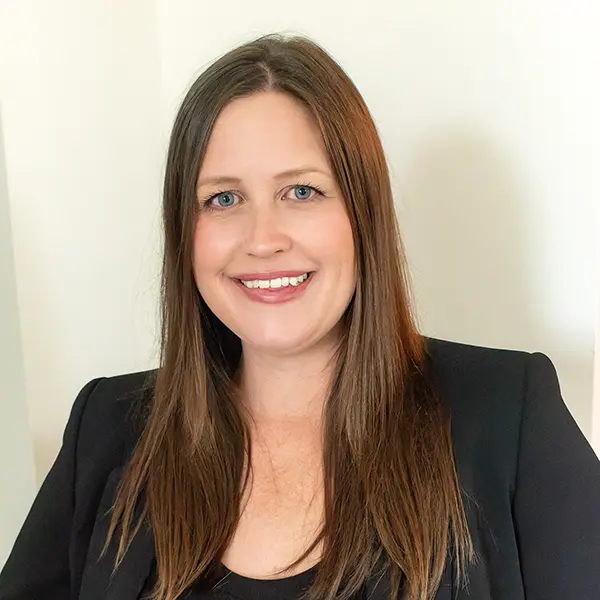
Taylor Brydges
Trauma/PTSD · EMDR · Adolescents & adults

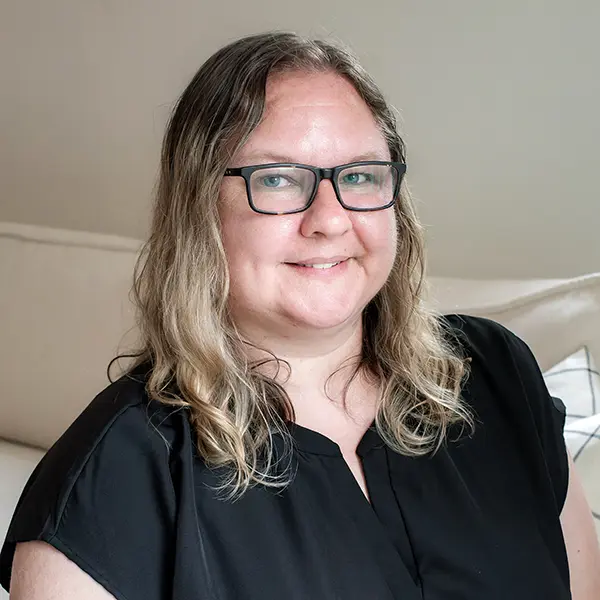
Christina Smith
CBT · DBT · EMDR · Perinatal mental health

Dr. Gina Brown, ND
Nutrition · Lifestyle medicine · Acupuncture

Bren Lumsden
Foot Reflexology · Reiki
A Prepared Start to EMDR Care
Free Consult
Share what brings you in and ask about readiness, format, practitioner training and whether EMDR may be suitable to explore.
Plan Together
Begin with assessment, consent, goals and preparation. Memory processing is not assumed or scheduled before fit and readiness are discussed.
Book Securely
Select an available appointment through the secure Jane portal. Booking begins the conversation; it does not commit you to processing work.
Questions About Beginning EMDR Therapy
Do I Have to Describe the Trauma in Detail?
Not always. EMDR can work with a memory or experience without requiring a detailed spoken account. Your practitioner will explain what information is needed, and you can ask questions before continuing.
Will EMDR Processing Happen in the First Session?
Usually, the first session focuses on your concerns, relevant history, goals, readiness and preparation. Processing begins only when you and the practitioner agree it is appropriate; no fixed timeline is promised.
Can EMDR Be Offered Virtually?
EMDR may be offered virtually for some clients. The practitioner will consider your location, privacy, access to a suitable space, readiness and safety planning before confirming whether virtual sessions are appropriate.
How Is EMDR Different From Talk Therapy?
Talk therapy often relies mainly on conversation. EMDR uses a structured process that may include bilateral stimulation while keeping assessment, preparation, consent, discussion and closing steps as part of the work. The process remains collaborative and can be paused.
Begin With Questions, Not Pressure
You do not need to commit to memory processing before speaking with us. A free 15-minute consultation can help you ask about readiness, pacing, practitioner fit and session format. If EMDR Therapy in Dartmouth appears appropriate to explore, you can decide whether to book—with preparation, consent and your ability to pause remaining central.