
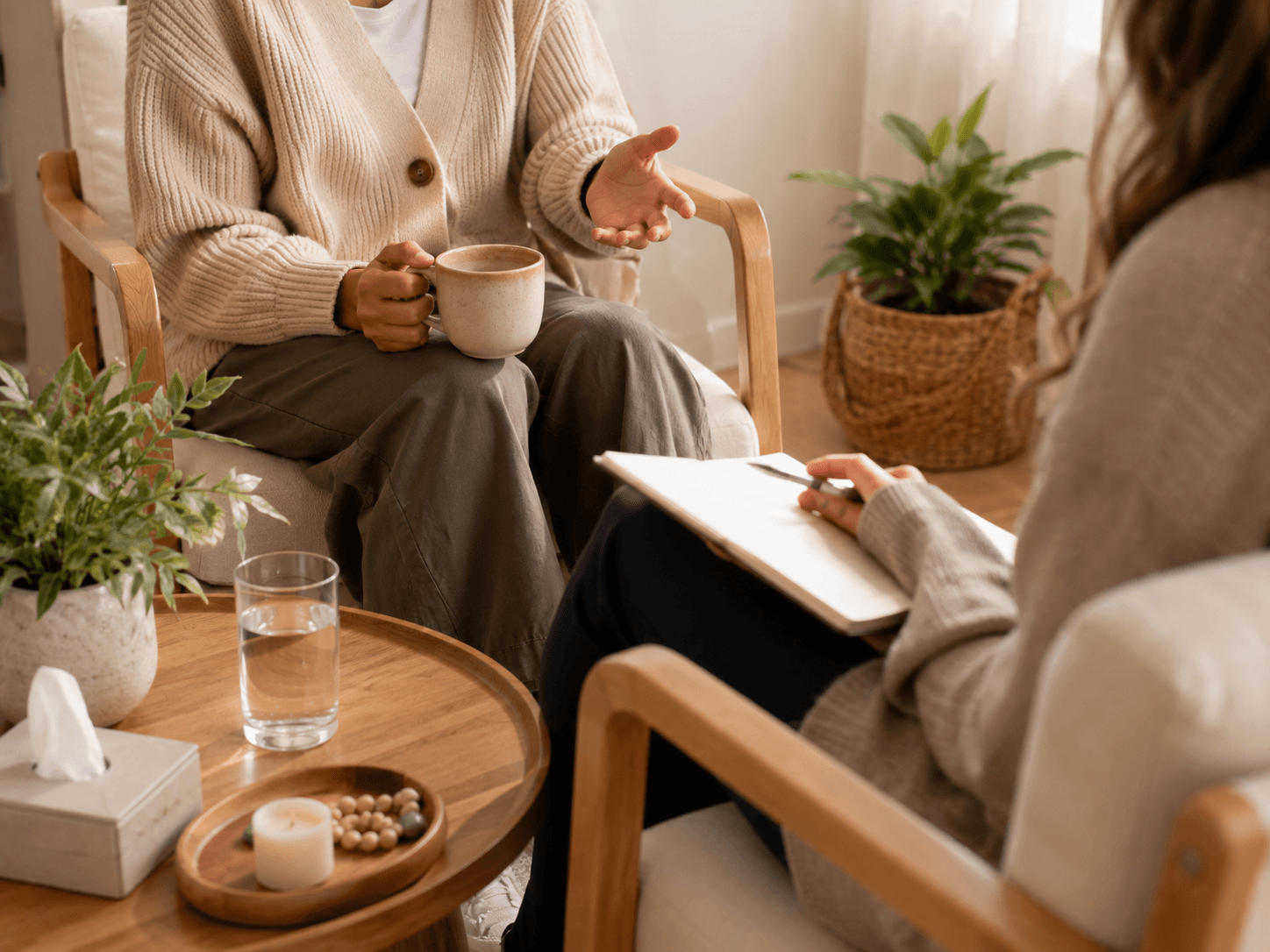
The Same Argument Is Often About More Than the Topic
Recurring conflict can leave both partners feeling unheard.
Couples Therapy in Dartmouth may help with:
- Repeating arguments or communication breakdowns.
- Strained trust, withdrawal or distance.
- Intimacy changes, parenting pressure or competing needs.
- Life transitions affecting the relationship.
We welcome diverse partners and relationships. Relationship Counselling in Dartmouth can support clearer communication, greater understanding or thoughtful next steps—without assuming that staying together must be the goal.
How Couples Therapy in Dartmouth Creates Space for Both Partners
Sessions are not about proving who is right. Your therapist helps both partners slow the conversation and work through it together.
Name the Cycle
Describe what happens before, during and after conflict so the pattern becomes easier to recognize.
Hear Both Perspectives
Make room for each partner to express what they feel, need or fear without being judged or overruled.
Practice Different Responses
Work on listening, boundaries, repair and ways to respond before the familiar cycle takes over.
Set Shared Goals
Decide together what emotional safety and meaningful progress could look like for your relationship.
Through Relationship Counselling in Dartmouth, the goals remain collaborative and the practical work is shaped around what both partners need from the process.
Progress Doesn’t Require Choosing a Side
Couples Therapy in Dartmouth can support different definitions of progress. Depending on your relationship, that may mean:
- Repairing connection after a difficult period.
- Changing a conflict pattern that keeps returning.
- Setting or respecting clearer boundaries.
- Gaining clarity about what comes next.
People may search for a Marriage Therapist or Marital Counseling in Dartmouth, but support is not limited to marriage or a predetermined outcome. At times, couples work may sit alongside Individual Counselling when one partner wants a separate space to explore personal concerns.
Our relationship Counselling in Dartmouth can also provide space to consider your needs, understand one another and make thoughtful decisions about the future.
Plan for Two Schedules
Before booking, confirm the practical details that need to work for both partners:
- Available session lengths and the current couples rate.
- In-person or virtual appointment options.
- Practitioner availability and any forms to complete before the first session.
During your free 15-minute consultation, we can answer questions, review what each partner can expect and discuss an appointment format that suits both schedules.
Find a practitioner who feels like the right fit.
Explore each Therapist profile to learn more about the team’s stated specialties and background.

Taylor Brydges
Trauma/PTSD · EMDR · Adolescents & adults

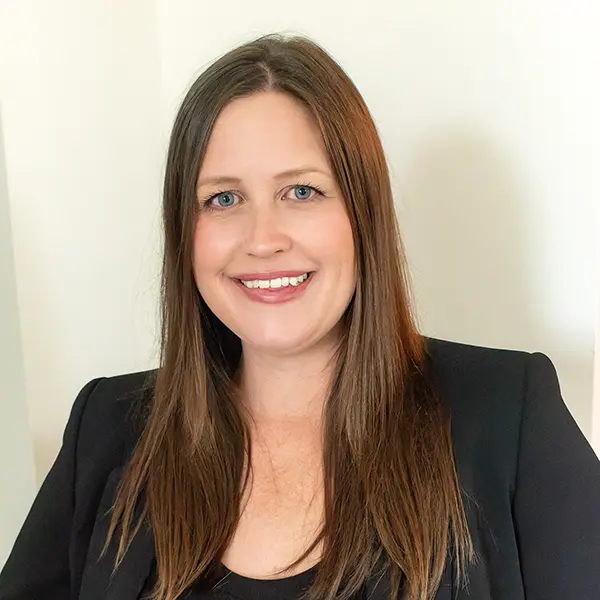
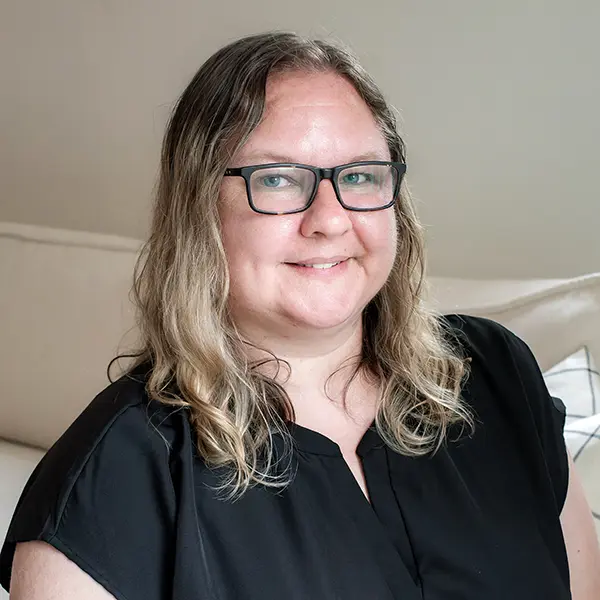
Christina Smith
CBT · DBT · EMDR · Perinatal mental health
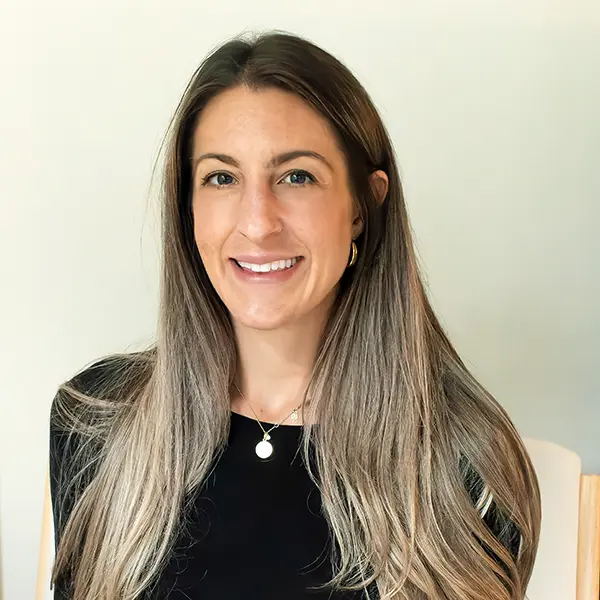
Dr. Gina Brown, ND
Nutrition · Lifestyle medicine · Acupuncture
Bren Lumsden
Foot Reflexology · Reiki
A simple way to find the right support.
Free Consult
Share what brings you together, what each partner hopes to address, your preferred format and the times that may work for both schedules.
Confirm Fit
Ask about the practitioner’s approach, current availability and what each partner can expect before and during the first session.
Book Securely
Once the practical details feel suitable, select an agreed appointment through the secure Jane booking portal.
Questions About Beginning Couples Therapy
Do Both Partners Need to Attend Couples Therapy?
Couples therapy generally involves both partners so each person can participate in the conversation. If you have questions about attendance or how an initial consultation is handled, please ask us before booking.
Is Couples Therapy Only for Married Couples?
No. Marital Counseling in Dartmouth is a common search term, but support is available to married and unmarried partners across diverse relationship identities. The work is shaped around your relationship, concerns and goals.
What if One Partner Is Unsure About Therapy?
Partners do not always begin with the same level of readiness. A free consultation can help you ask practical questions and understand the process without pressuring either person to commit before they feel ready.
What Happens in the First Session?
If you are seeking a Marriage Therapist in Dartmouth, the first session generally explores the concern bringing you in, each partner’s perspective, shared or differing goals and what both of you can expect from future sessions.
Take the Next Step Together
A free 15-minute consultation can help you discuss what is happening, what each partner hopes for, scheduling needs and whether Couples Therapy in Dartmouth feels suitable. When you are ready, book a consultation or choose an available session through the secure portal.